01
On foot
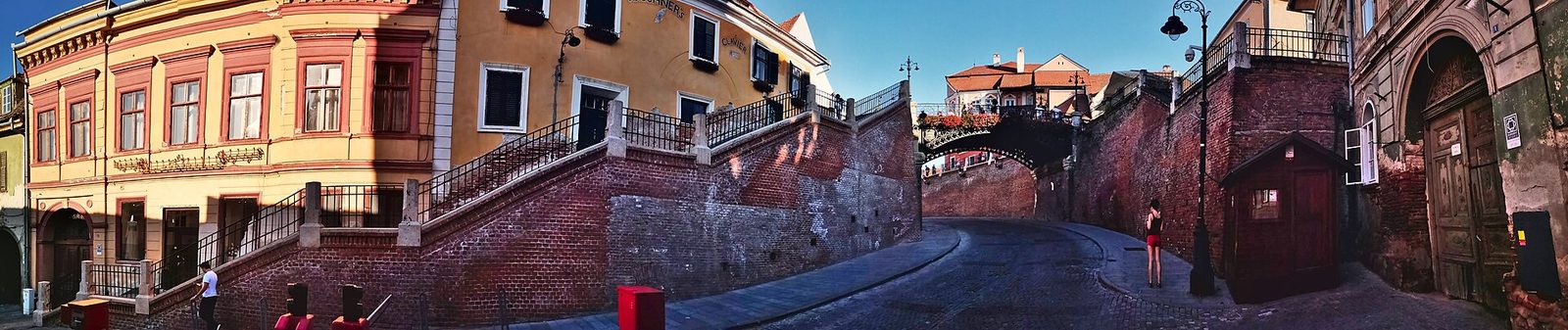
It is a seven-minute walk from the building to the Great Square, eight to the Little Square and the Bridge of Lies. The stairway passage down into the lower town is the finest detour in the city.
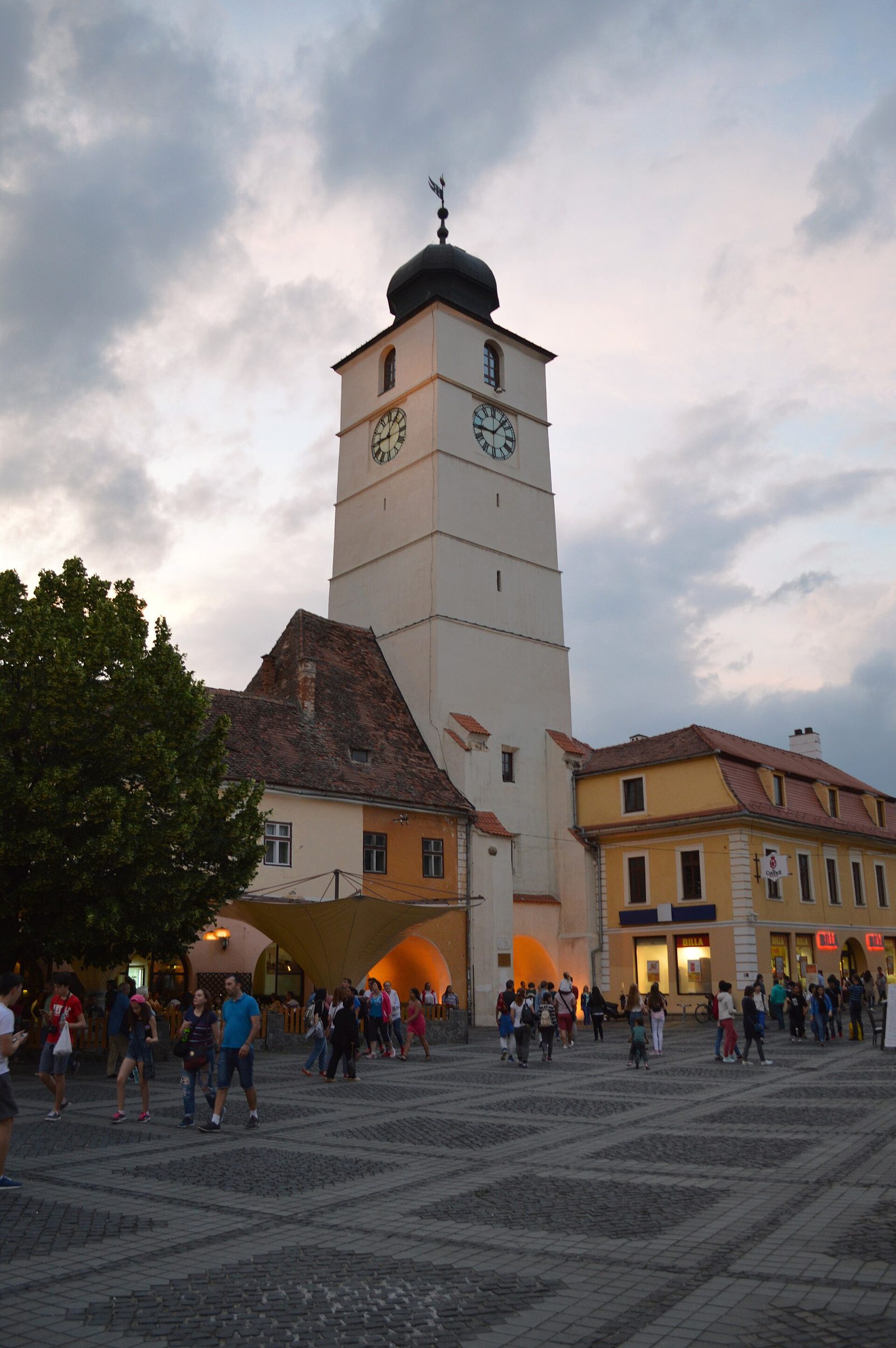
What is actually worth your time in Sibiu — written by someone who lives here.
Figures from Wikipedia; photographs from Wikimedia Commons, credited individually.
01
It is a seven-minute walk from the building to the Great Square, eight to the Little Square and the Bridge of Lies. The stairway passage down into the lower town is the finest detour in the city.
02
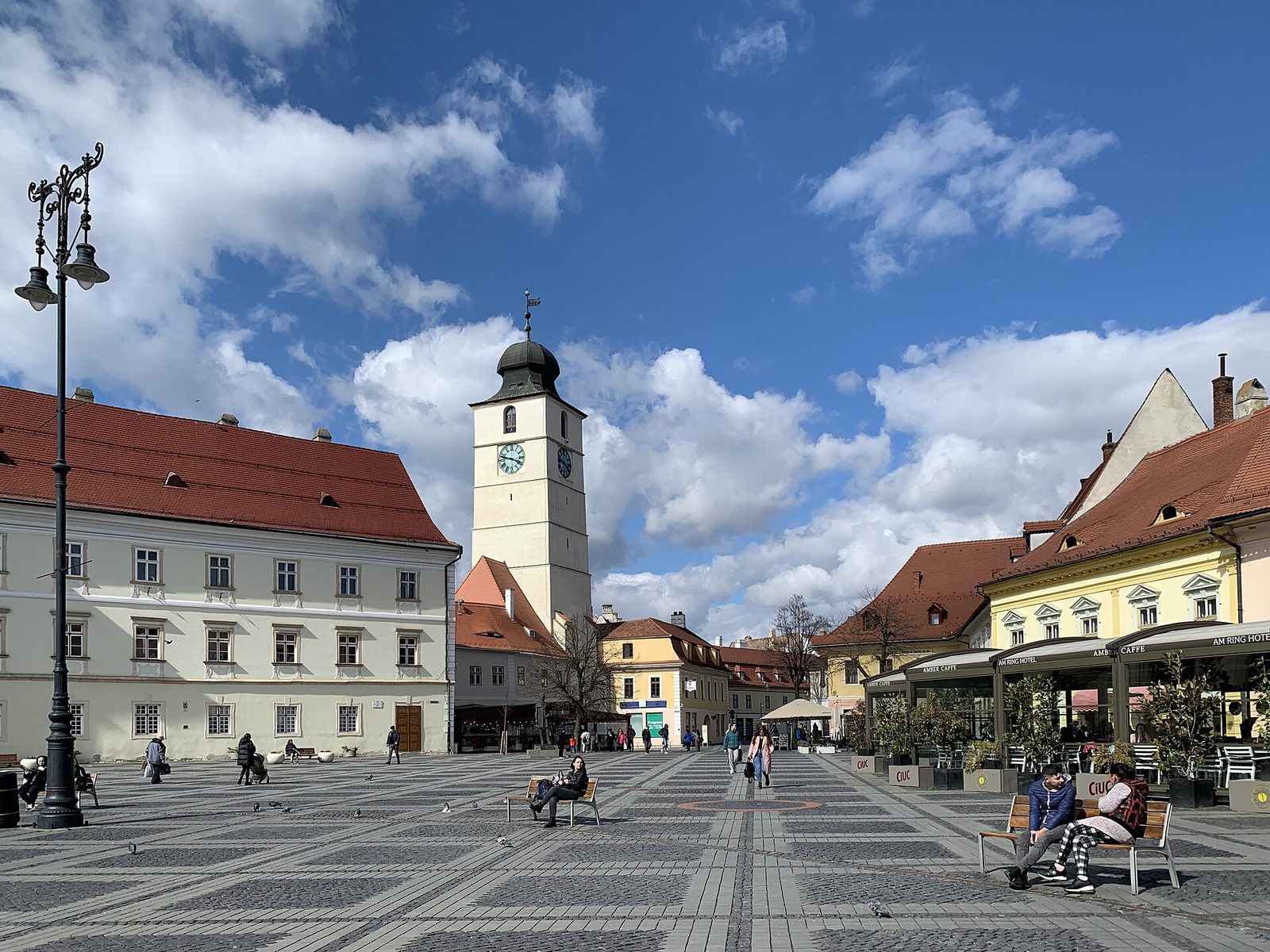
The old town is full of terraces. You will find a current list in the studio of the places we go ourselves — including the two that are not in the guidebooks.
03
Sibiu has three peaks: the International Theatre Festival in June, the summer months with the mountains on the doorstep, and the Christmas market on the Great Square from late November. For quiet, come in late September.
04
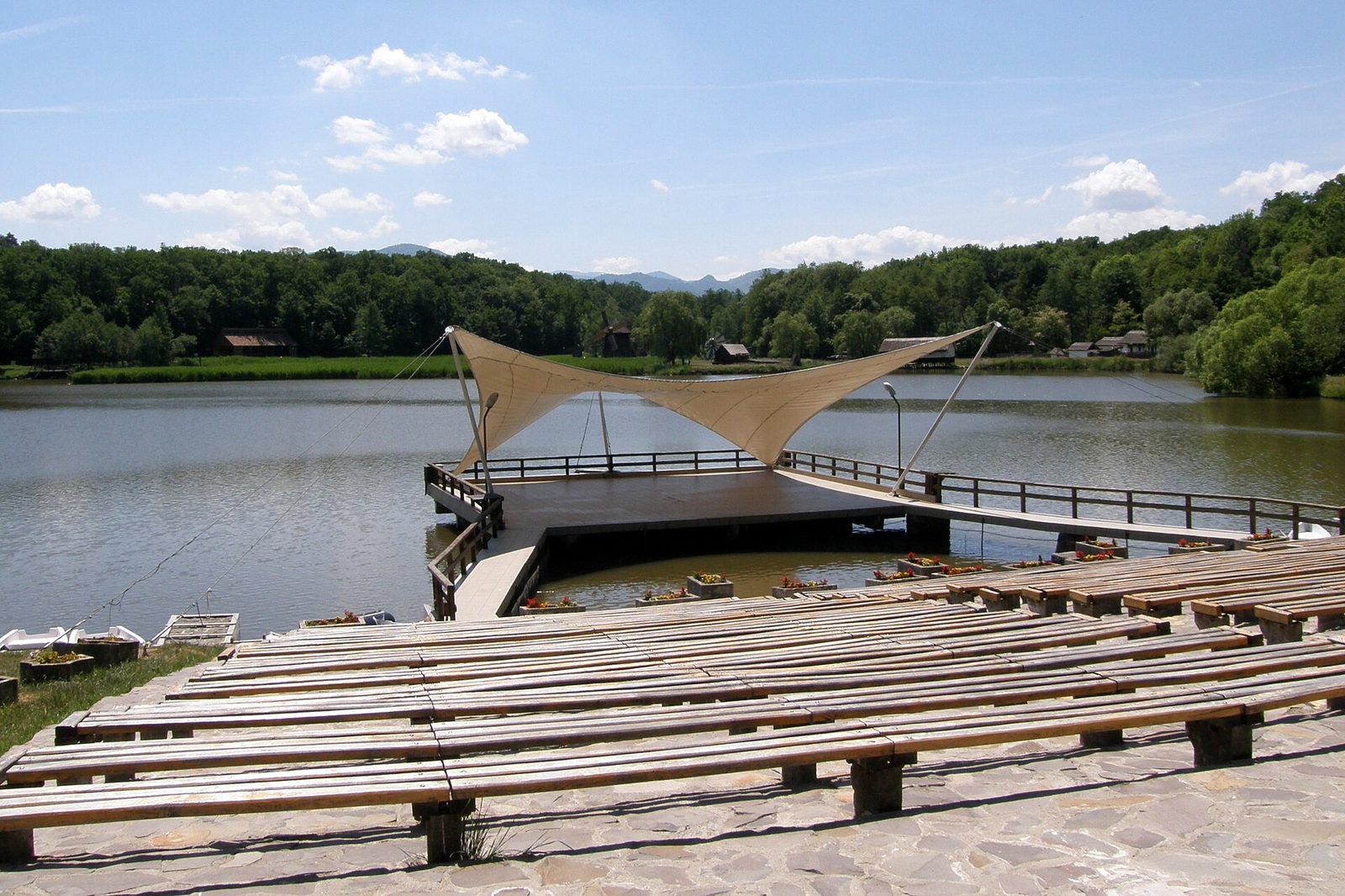
The ASTRA open-air museum is twenty minutes away, the Carpathians barely an hour. By car, Sighișoara, Alba Iulia and the Transfăgărășan road are all day trips.
05
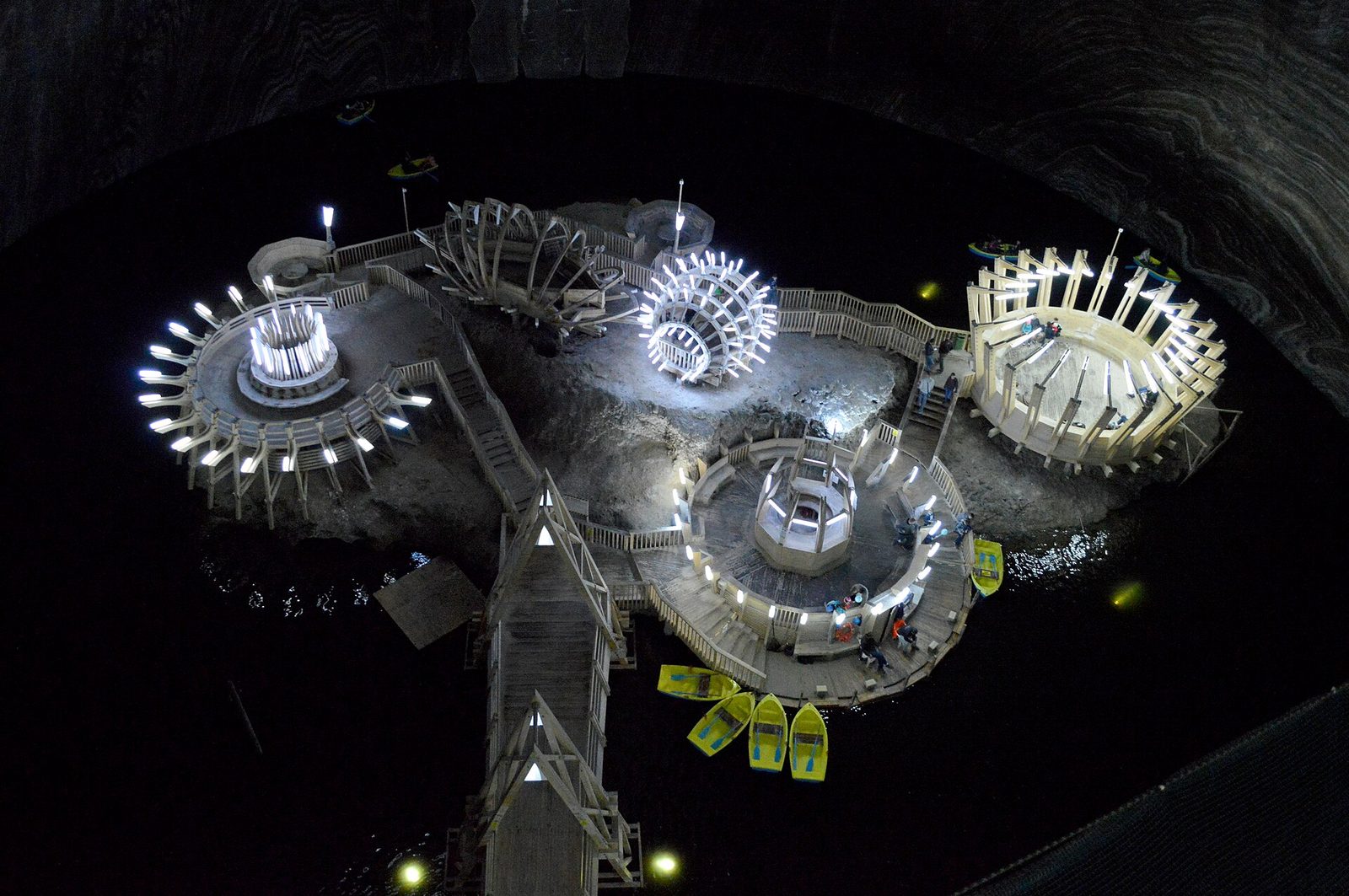
Salina Turda is the famous one, and it earns it: a mine documented since 1271, worked until 1932, reopened in 2010 as something between a museum and a cathedral. The Terezia chamber drops 112 metres to an underground lake you cross by rowing boat, past the 1881 winch still standing where it was built. Roughly two hours each way, and worth the day. Closer to home, Ocna Sibiului sits 15 km out with a scatter of salt lakes in old collapsed workings — the Tököly is around 31 percent salt, saltier than the Dead Sea, and you float without trying.
06
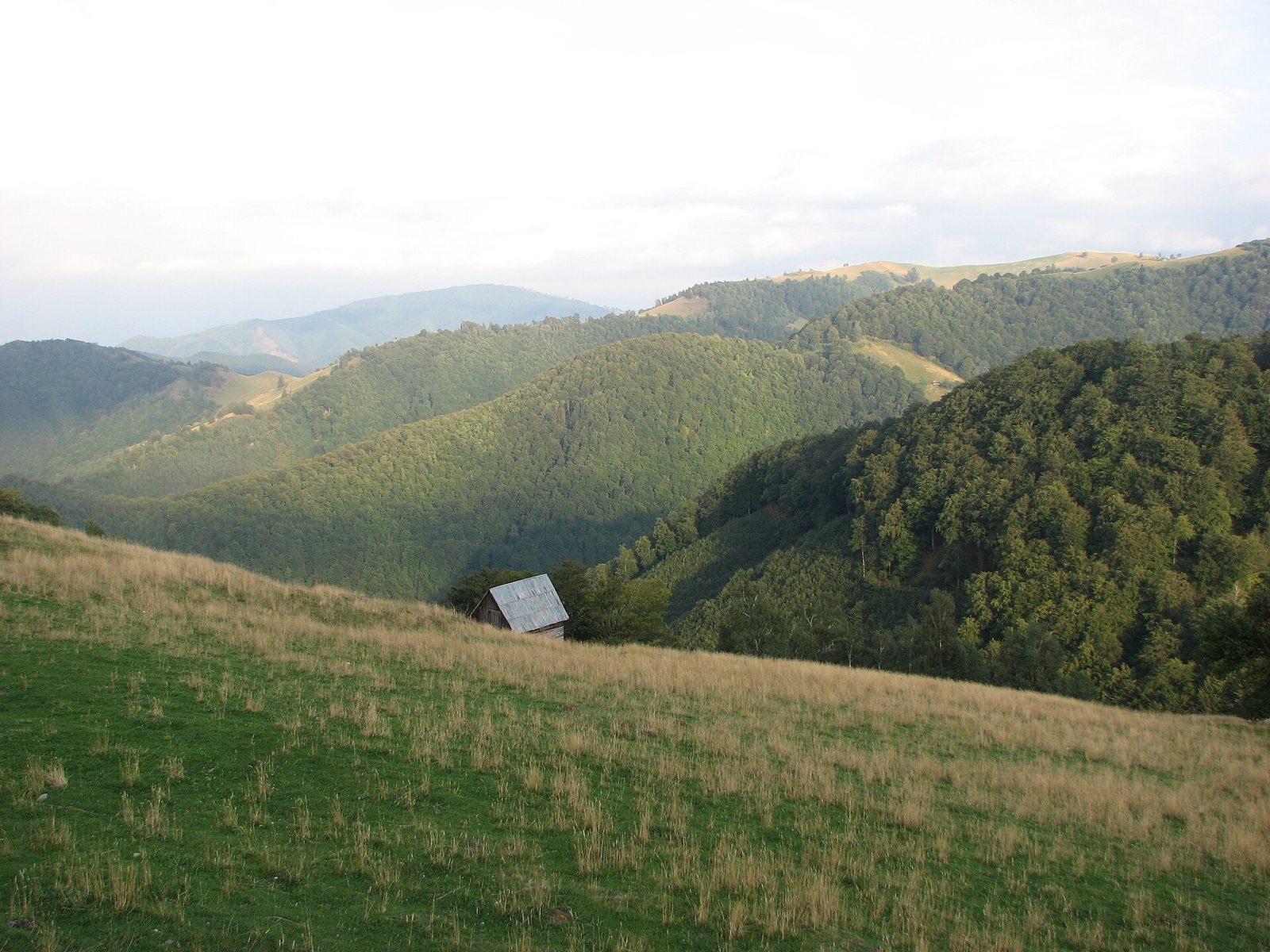
Păltiniș sits at 1,440 m in the Cindrel mountains, 32 km up the road — Romania's oldest mountain resort, founded by the Transylvanian Carpathian Society in 1894, and still its highest. Snow lies for roughly six months. Chairlift and drag lifts serve the slopes on Oncești, with the wider Arena Platoș next door. Close enough that skiing is a day out, not a holiday of its own: leave after breakfast, be back for dinner in the old town.
07
The Făgăraș mountains carry Romania's highest ground — Moldoveanu at 2,544 m — and the ridge walk along them is the country's great long route. Below the treeline at about 1,600 m the Cindrel offers gentler days straight from Păltiniș, over alpine pasture and past glacial lakes. Spring and autumn are the kindest months; in winter the same paths become snowshoe country.

08
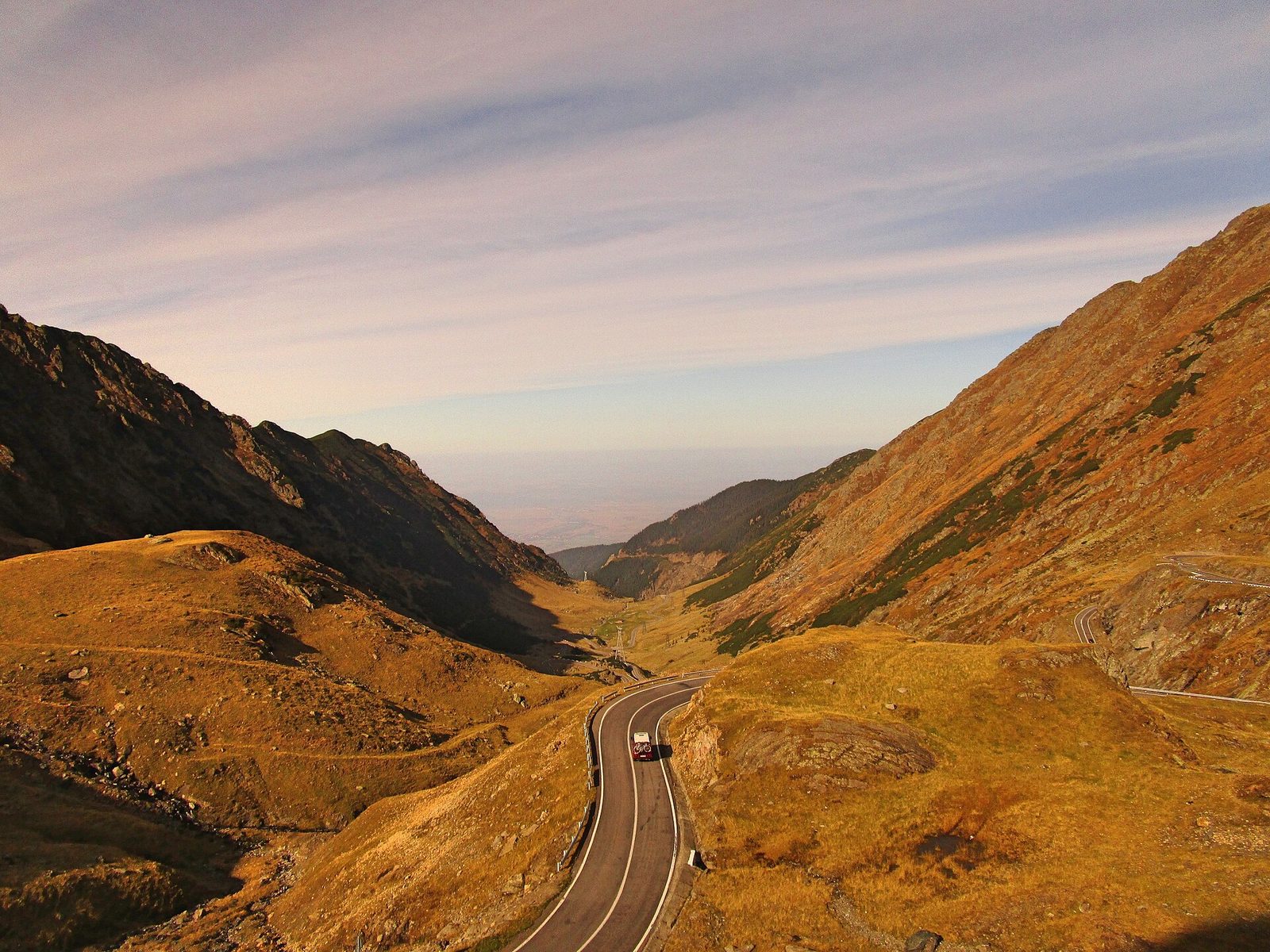
DN7C climbs 151 km over the Făgăraș ridge, topping out at 2,042 m and slipping under the summit through the 884 m Bâlea tunnel — Romania's longest. Ceaușescu had it built between 1970 and 1974 as a military crossing after the Soviet invasion of Czechoslovakia; it has since become the drive people come to Romania for. Bâlea Lac, the glacial lake at the top, is 77 km from the studios. The high section is normally open from late June to late October — outside that the cable car from Bâlea Cascadă still runs.


.jpg)
.jpeg)
.jpg)